

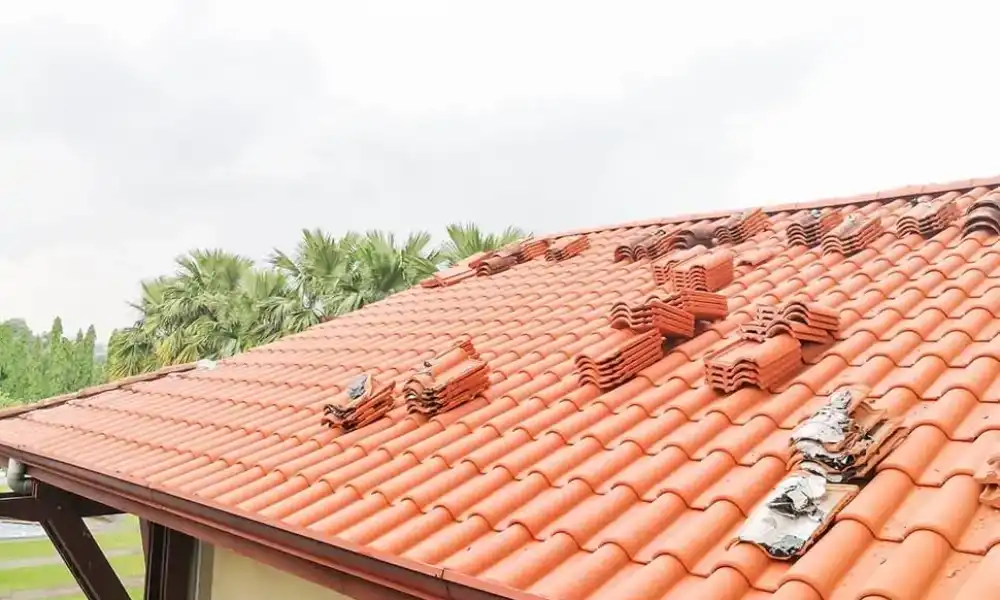
Tampa’s weather shifts fast, and flat roofs take the full impact of those changes. Hot sun, heavy rain, and sudden storms create stress that slowly wears down roofing materials. Flat roofs face more standing water and higher surface temperatures than sloped roofs, so understanding how the climate affects them helps homeowners stay prepared. With the right habits, residents can reduce damage and extend the life of their roofs.
Many homeowners look to examples like Southeastern Roofing Tampa when exploring what makes a roof strong in this region. Tampa’s heat, humidity, and storm cycles all influence how long a flat roof lasts. Learning how each weather element affects the surface helps families plan better maintenance through the seasons.
Heat Levels Cause Material Breakdown
Tampa experiences long stretches of intense sunlight. Flat roofs absorb more heat because they lack the shade that sloped roofs gain from angles. This direct exposure causes materials to dry out, weaken, or warp over time. Surface temperatures can become extremely high, especially on older roofs.
Homeowners who check for early signs of heat stress stay ahead of cracks and bubbling. Regular inspections help determine if certain areas need patching or reinforcement. A roof that manages heat better stays functional longer.
Heavy Rain Creates Drainage Challenges
Rainstorms bring large amounts of water in short bursts. Flat roofs rely on proper drainage to prevent pooling, and any small blockage allows water to sit. This trapped moisture seeps into seams and low spots. Over time, it causes leaks or mold.
Common Drainage Trouble Spots
- Clogged gutters
- Blocked scuppers
- Low depressions in the roof
- Loose flashing
These trouble points appear quickly during the rainy season. Quick checks before storms help prevent deeper issues.
High Winds Increase Edge Damage
Strong winds during storms place extra pressure on the edges and seams of flat roofs. Tampa sees intense gusts during summer storms and tropical systems. The wind hits the edges first, lifting weak areas and pulling at loose materials. This repeated stress shortens the lifespan of any roof.
Wind-related issues become more noticeable on older roofs. Homeowners benefit from secure edging, tight seals, and materials designed to resist uplift. These small precautions make a clear difference during heavy storms.
Humidity Encourages Surface Wear
Humidity plays a major role in the climate. Moisture stays in the air even when it does not rain, and this constant exposure affects roofing materials. Flat roofs made of rubber or foam absorb humidity, which leads to soft spots or early wear. Mold also develops faster in shaded corners.
Humidity Watch Points
- Surface discoloration
- Soft sections
- Damp insulation
- Mold growth
Professional Help Improves Long-Term Roof Health
Professionals understand how Tampa’s weather affects every layer of a flat roof. Their inspections reveal issues that homeowners might miss, especially around seams, edges, and drainage paths. Many residents look at roofs installed by companies like Southeastern Roofing Tampa to compare how well certain materials handle local weather.
Expert guidance also helps determine when repair or reinforcement is needed. With regular checkups, homeowners keep their roofs stable and ready for seasonal weather shifts. This support adds years to the structure’s lifespan.
Tampa’s heat, heavy rain, strong winds, and humidity all play a part in flat roof wear. Each weather factor creates stress that builds over time. When homeowners understand these patterns, they respond faster and protect the roof more effectively. Regular care, small repairs, and expert inspections work together to extend the life of flat roofs.